
From The Victor J Focus Room
How GLP-1 Weight-Loss Drugs Like Ozempic and Wegovy Are Reshaping the Global Health Conversation
Editorial Perspective
For decades, the conversation around weight loss followed a predictable script.
Eat less. Move more. Build discipline. Change your habits.
The journey was rarely easy. But the assumption behind it remained clear — lasting weight loss came from sustained lifestyle change.
Today that assumption is being challenged.
A new class of medications known as GLP-1 drugs — including Ozempic and Wegovy — is rapidly changing how millions of people approach weight loss.
Originally developed to treat diabetes, these medications have demonstrated a powerful secondary effect: they significantly reduce appetite and help many patients lose substantial weight.
What once required months or years of effort is increasingly being framed as something that can be medically assisted. The impact has been immediate and global.
Demand for these drugs has surged so dramatically that supply chains have struggled to keep up. Clinics report record numbers of patient inquiries. Pharmaceutical companies are racing to expand production.
Weight-loss medication has moved from a medical specialty to a mainstream cultural conversation.
The world may be entering what many observers now call the Ozempic Era.


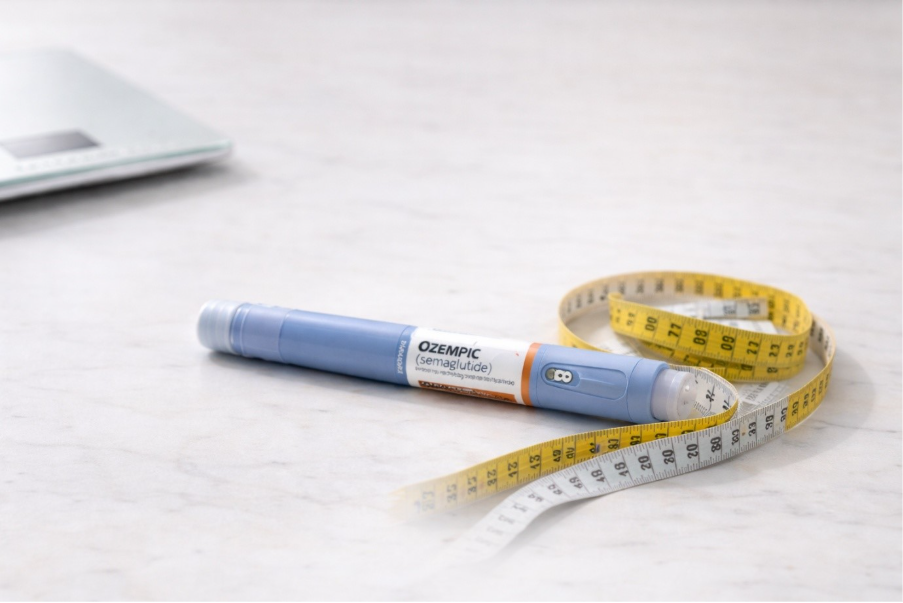
GLP-1 drugs like Ozempic and Wegovy are rapidly redefining how the world approaches weight loss and metabolic health.

A Drug That Shifted the Narrative
The medications at the center of this moment belong to a class called GLP-1 receptor agonists.
They mimic a hormone that helps regulate blood sugar and appetite.
When used by patients with diabetes, researchers began noticing something unexpected.
People were losing weight.
Not a few pounds — but in some cases 15–20 percent of body weight during clinical trials.
For a world facing rising obesity rates, this discovery carried enormous implications.
What began as a diabetes treatment quickly evolved into one of the most talked-about pharmaceutical developments in modern healthcare.
The Demand Explosion
Over the past two years, demand for medications such as Ozempic and Wegovy has skyrocketed.
Doctors across multiple countries report waiting lists for prescriptions.
Telehealth platforms have entered the market to meet growing demand. Pharmaceutical companies are investing billions to expand manufacturing capacity.
In one notable development, Novo Nordisk, the company behind these drugs, recently struck a distribution deal with telehealth provider Hims as demand surged.
At the same time, regulators have begun monitoring supply shortages and the rapid expansion of prescription access.
The surge in demand has also triggered:
• lawsuits
• regulatory warnings
• stock-market reactions
Experts are now calling GLP-1 medications the number-one health trend of 2026.
What began as a medical breakthrough has evolved into a global economic phenomenon.
Once a diabetes treatment, GLP-1 medications like Ozempic and Wegovy are now driving one of the fastest-growing health trends and pharmaceutical markets in the world.
A Turning Point for the Weight-Loss Industry
For decades, the weight-loss industry revolved around diet plans, fitness programs, and supplements.
Now pharmaceutical science has entered the conversation in a powerful way.
For many patients struggling with obesity, these medications offer something traditional dieting rarely delivers — consistent appetite control.
Cravings diminish. Portions naturally shrink. Weight begins to decline.
For some individuals, the experience feels transformative.
But the rapid rise of these drugs has also triggered debate.
The Debate Taking Shape
Supporters argue that obesity is a complex metabolic condition rather than simply a failure of discipline.
In this view, medications can offer life-changing help for people who have struggled for years with weight management.
Critics, however, raise different questions.
If pharmaceutical solutions become the dominant approach to weight loss, what happens to the broader emphasis on lifestyle, nutrition, and physical activity?
Other concerns continue to surface:
• What happens when patients stop taking the medication?
• Are long-term effects fully understood?
• How should access be regulated as demand increases?
Meanwhile, economists are also paying attention.
Analysts predict that the global market for GLP-1 weight-loss drugs could grow into one of the largest pharmaceutical sectors of the coming decade.
A Cultural Shift in Motion
Every era introduces innovations that quietly reshape daily life.
The smartphone transformed communication. Streaming services reshaped entertainment.
Pharmaceutical weight-loss treatments may now be altering something far more personal — how people manage their bodies.
Whether this development ultimately represents a medical revolution or simply another phase in the long struggle with obesity remains to be seen.
But one thing is already clear.
The conversation about weight loss has expanded beyond diet plans and gym memberships.
It now includes biotechnology, pharmaceutical innovation, and global economic forces.
The Ozempic Era may only be beginning.
Editorial Closing
Moments of transformation are rarely obvious while they are unfolding.
But occasionally a shift becomes impossible to ignore.
The sudden rise of GLP-1 weight-loss medications may represent one of those moments. What began quietly as a treatment for diabetes has rapidly evolved into a global conversation about obesity, health, and the future of medicine.
For millions of people struggling with weight and metabolic disorders, these drugs have introduced something that traditional diet programs rarely delivered consistently — a powerful biological assist in regulating appetite and metabolism.
The results, in many cases, have been remarkable.
But the excitement surrounding GLP-1 medications has also been accompanied by caution.
Some physicians and researchers warn that the long-term effects of widespread use are still being studied. While many patients tolerate these medications well, others report side effects ranging from nausea and digestive discomfort to more serious complications in rare cases.
There are also broader concerns about whether reliance on pharmaceutical solutions could gradually shift attention away from nutrition, physical activity, and sustainable lifestyle change — the foundations of long-term health.
Supporters counter that obesity itself is a serious medical condition with well-documented risks, and that GLP-1 therapies represent an important new tool for doctors and patients who have struggled for years with limited options.
The debate reflects something larger than the success of a single drug.
It reflects a moment when medicine, lifestyle, economics, and culture are intersecting in unexpected ways.
Years from now, we may look back and recognize this period as the point when the global approach to obesity began to change — not slowly, but almost overnight.
Whether that change ultimately proves liberating, controversial, or somewhere in between will become clear only with time.
For now, the world is watching a quiet revolution in medicine — unfolding one injection at a time.
— Victor J Focus Room Editorial Desk
Understanding starts here.
The real work begins in the Hub.